
What happens when the prison sentence ends? When the gates swing open and a man steps back into the world he left behind, what awaits him? And perhaps more importantly, what does he have to return to?
For 57 men at Chikurubi Farm Prison in Harare, these questions took center stage during ZimWorX’s latest Fresh Start Project visit. With their release dates approaching, the prospect of starting over is becoming real. Yet freedom is about more than walking through an open gate. It is about finding a way to live differently once they are on the other side. It is a question that ZimWorX’s Fresh Start Project is seeking to answer, one person at a time.
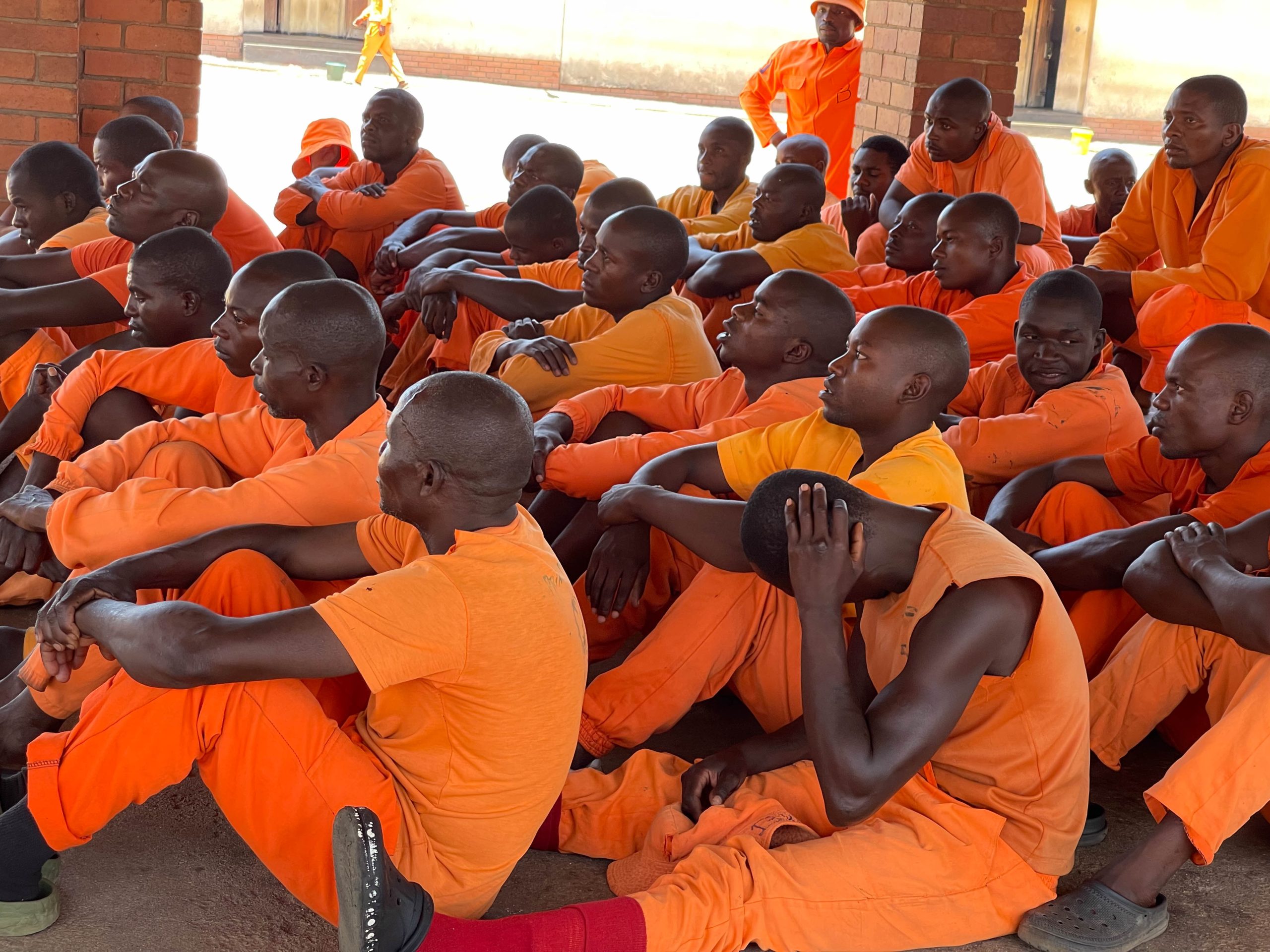
On 6 November, we returned to Chikurubi Farm Prison, not simply to deliver support, but to reconnect with the men, listen to their stories and remind them that their futures still matter. At the heart of Fresh Start is a simple but powerful conviction, a person’s past should not be the only thing that determines their future. With the right skills, practical support and someone willing to believe in them, a new beginning is possible.
The gathering opened with a song and prayer, followed by a reflection on Philippians 4:9, where Paul encourages believers to put into practice what they have learnt, received and witnessed. It was a fitting message for the occasion. The lessons acquired within the prison walls must now find expression beyond them, in the choices these men make, the livelihoods they build and the relationships they restore.
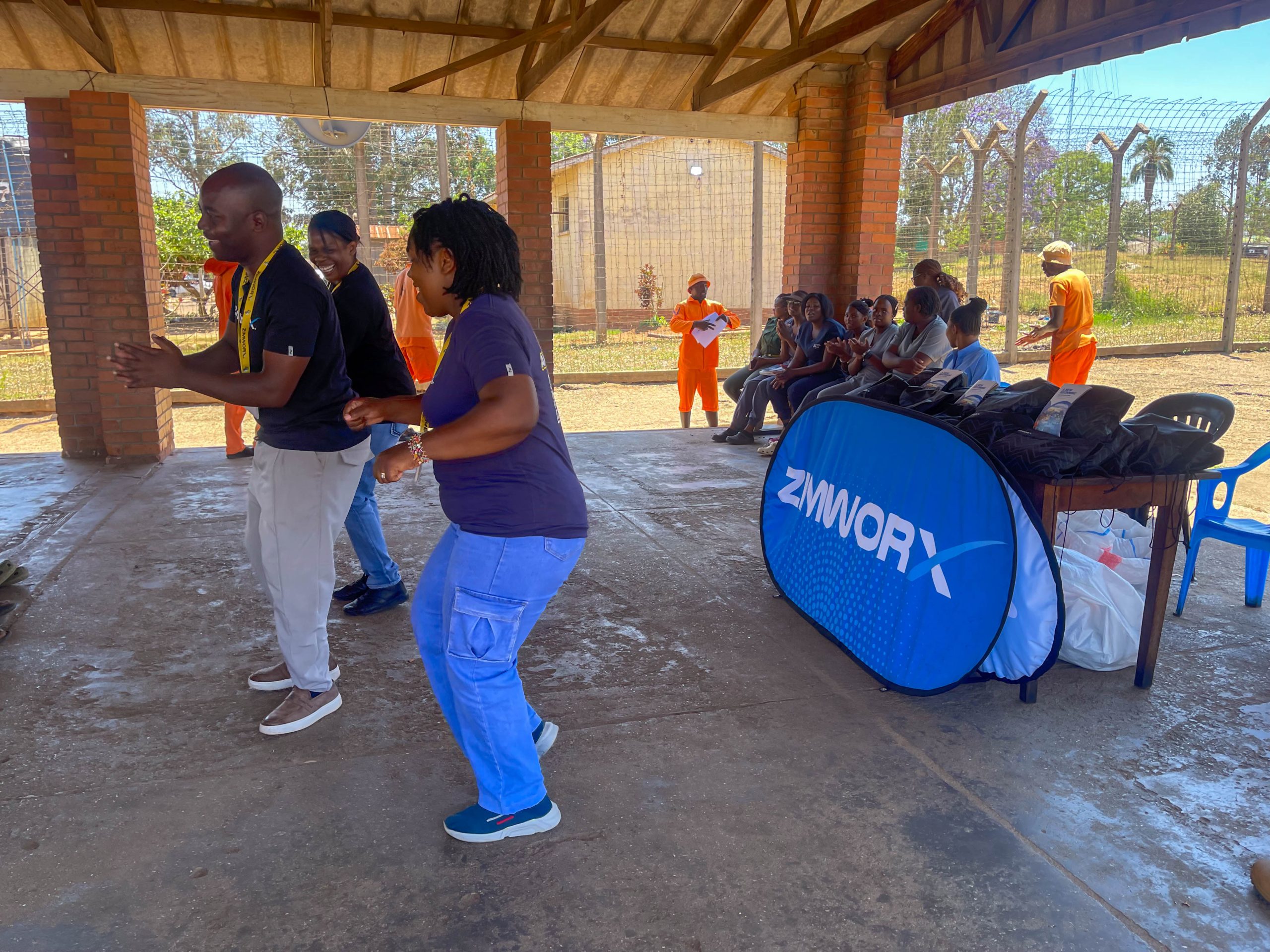
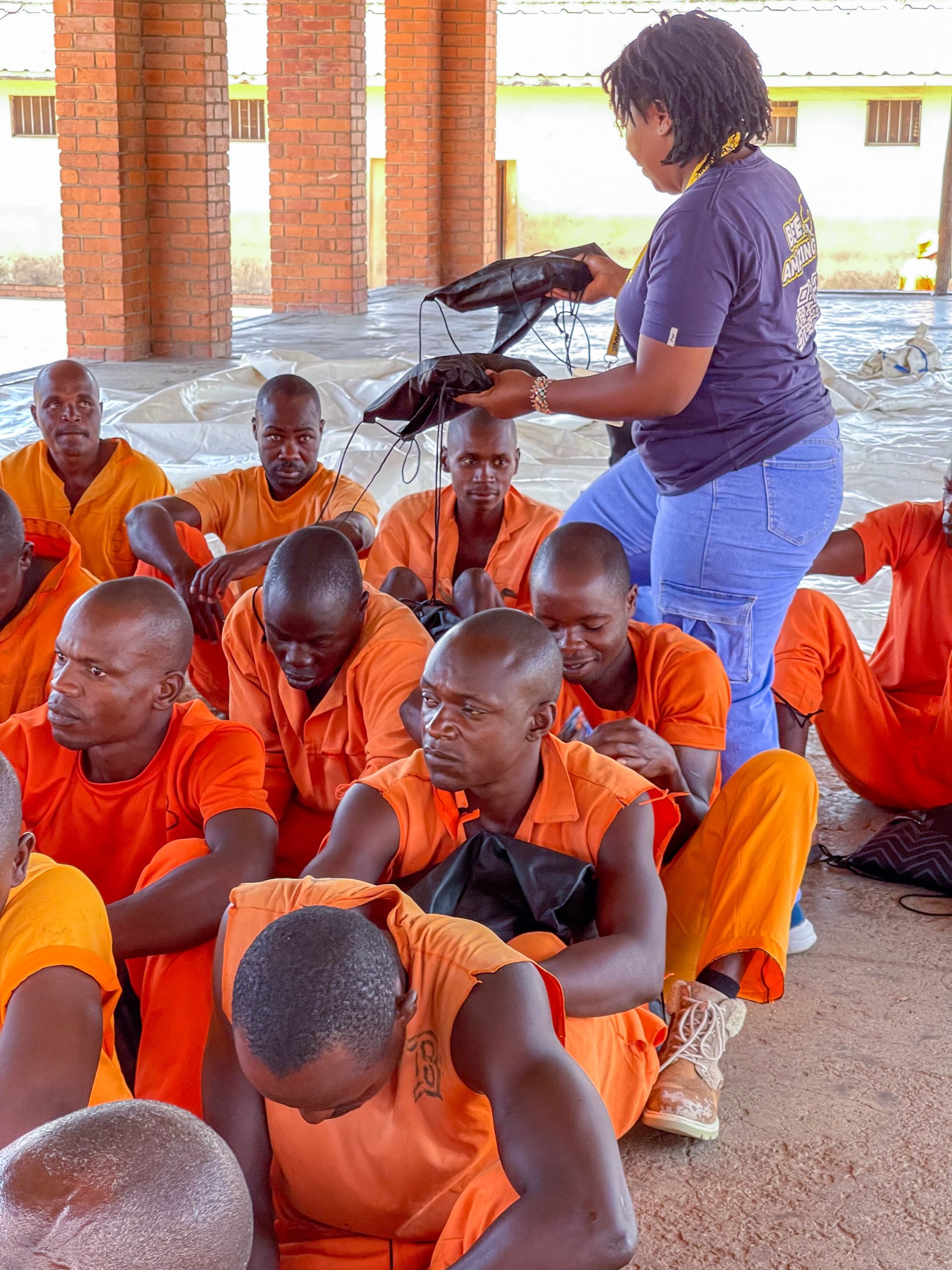
Then came the distribution of starter packs, placed into the hands of the men preparing for release. More than material assistance, these packs represented a starting point, an opportunity to translate the skills they had acquired into something productive, something sustainable and, ultimately, something of their own.
But it was in the conversations that followed that the deeper significance of the project emerged. The discussions were candid, sometimes uncomfortable, but necessary. Drugs came up repeatedly, particularly the selling of them, a problem that continues to tear through Zimbabwean families and communities. Some beneficiaries spoke openly about their involvement in the trade and acknowledged the need to make different choices. Their reflections revealed an important reality, serving a prison sentence does not automatically remove the circumstances, pressures and temptations that may have contributed to someone’s incarceration.
A man can walk out of prison and still find himself standing before the same challenges that brought him there. Without an income, a marketable skill or a support system, the temptation to return to familiar but destructive ways of making a living can be overwhelming. And the men have been thinking about what a different life might look like. Their plans are varied, modest in scale but significant in what they represent. They are plans rooted in family, familiar trades, personal interests and the determination to become productive members of their communities again.
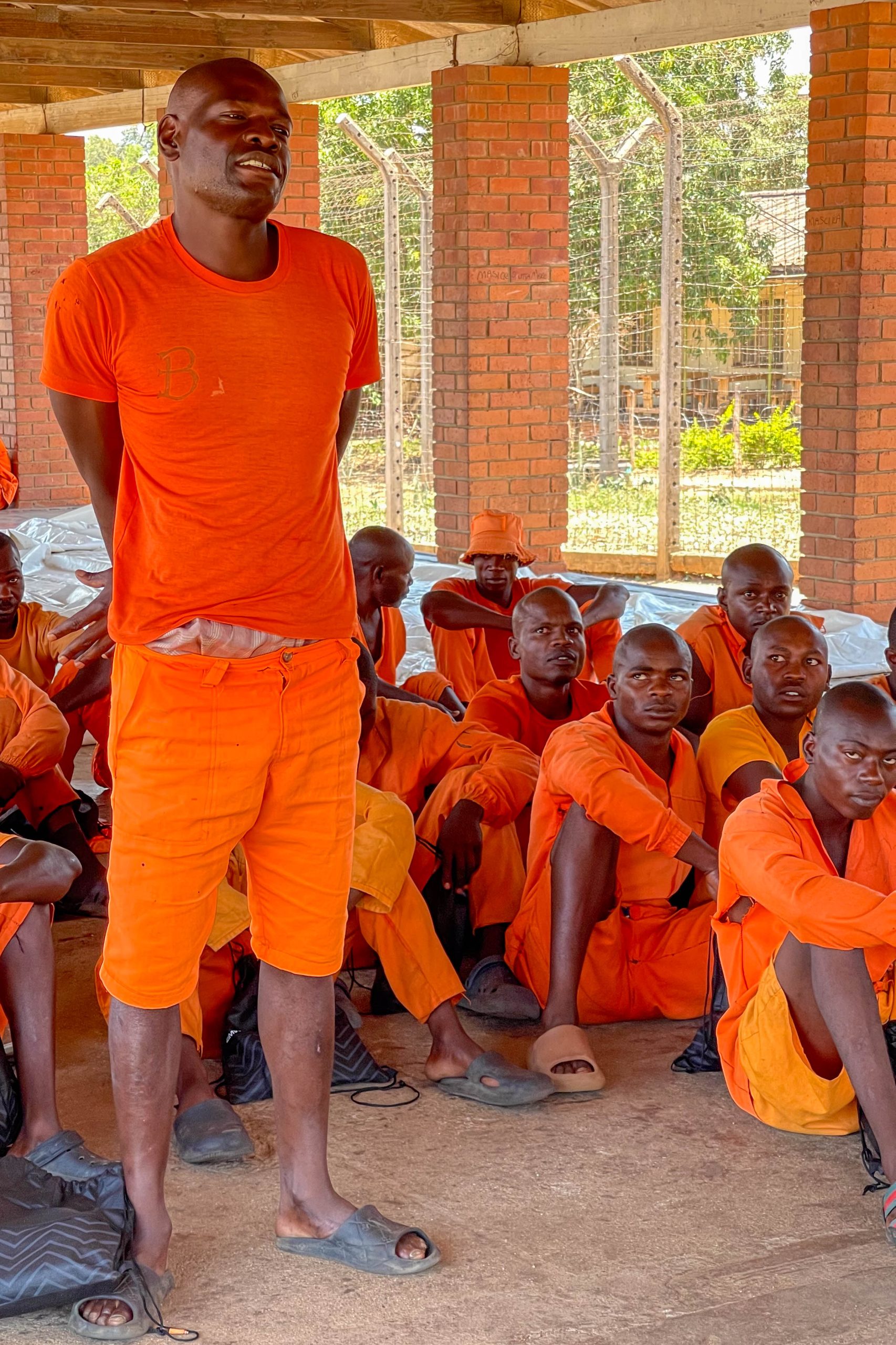
Tavonga, who arrived at the prison in June, hopes to start selling shoes alongside his mother when he is released. For him, the opportunity is not just about business; it is about returning to family and building something together. Velanic Matigimu plans to revive his car park business, with buying and selling goods alongside his wife as an alternative if the venture does not work out. One man, who spent his 56th birthday behind bars, hopes to return to smallholder farming in Beatrice. Kudakwashe Kambarami is also looking towards agriculture, while Bothwell has developed an interest in plumbing. Anthony, from Mberengwa, has found particular enthusiasm for cabbage farming. Zenzo, from Mbare, hopes to venture into banana trading. He understands the community he intends to serve and is looking for seed capital to turn that knowledge into a business. Another inmate hopes to return to ministry, revisiting a path his parents once encouraged him to follow.
These are not extravagant ambitions. They are honest attempts to find a way forward. A shoe-selling business, a revived car park, a small farm or a market stall may seem like modest beginnings, but for someone returning from incarceration, they can mean the difference between dependence and independence, between uncertainty and purpose. During their time at Chikurubi, the inmates were introduced to practical skills including bricklaying, sewing and agriculture. These are skills with the potential to become livelihoods, offering a means of earning an honest income and rebuilding their lives with dignity.
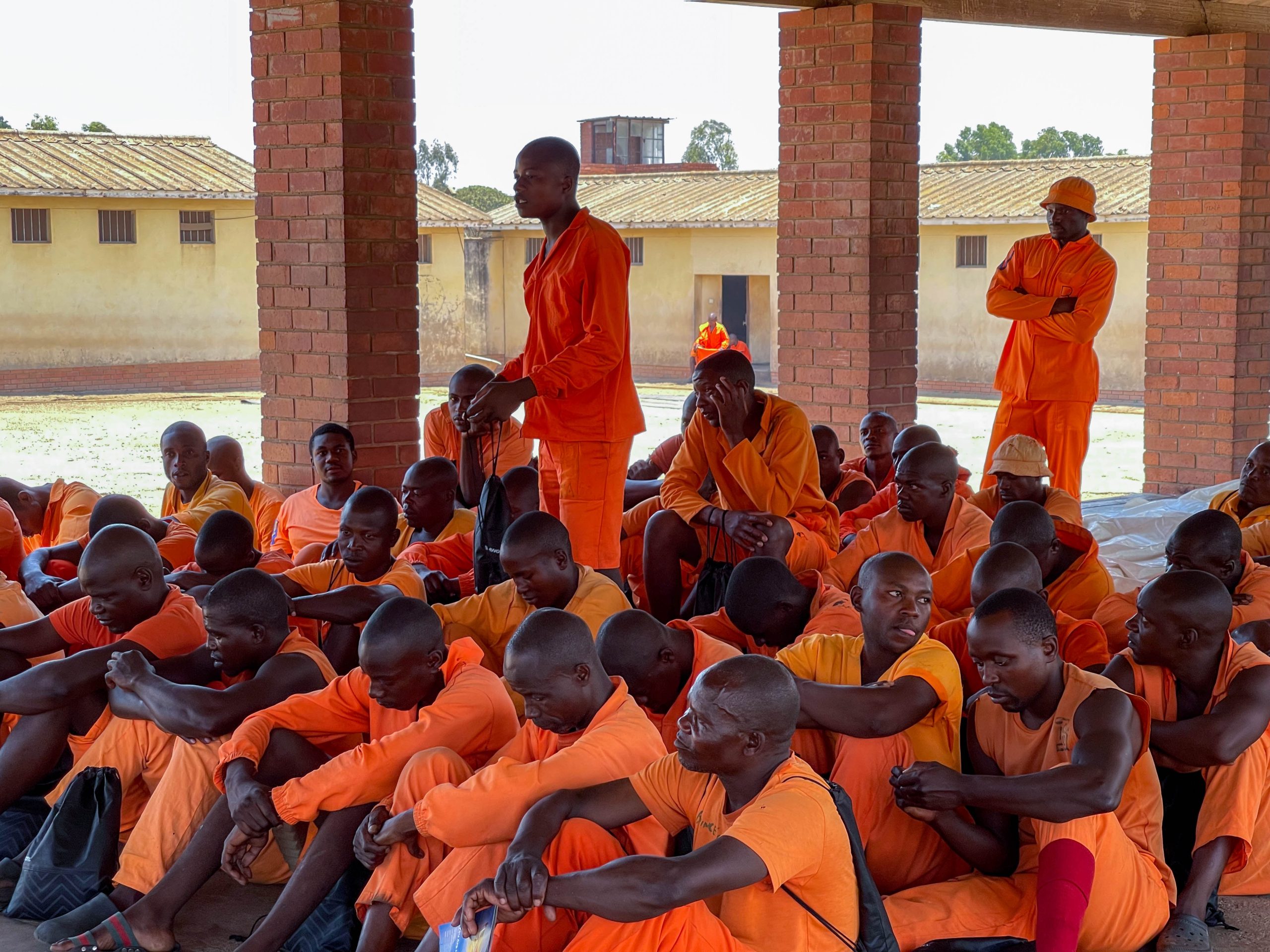
Yet, as the conversations on the day revealed, rehabilitation goes beyond learning how to work with one’s hands. It also involves confronting past decisions, changing attitudes and rediscovering the values needed to live alongside others. For Jamael Cooney, who is due for release in January, one of the most important lessons has been the value of hope and love. Wellington Goro expressed gratitude to ZimWorX simply for remembering him. Reflecting on his rehabilitation journey, he spoke of learning manual skills, but also of love and the importance of living in harmony with others. Learnmore Chirenda, also expecting to be released in January, spoke about respecting other people’s property and the importance of making better choices. His simple request was that God would remember him.
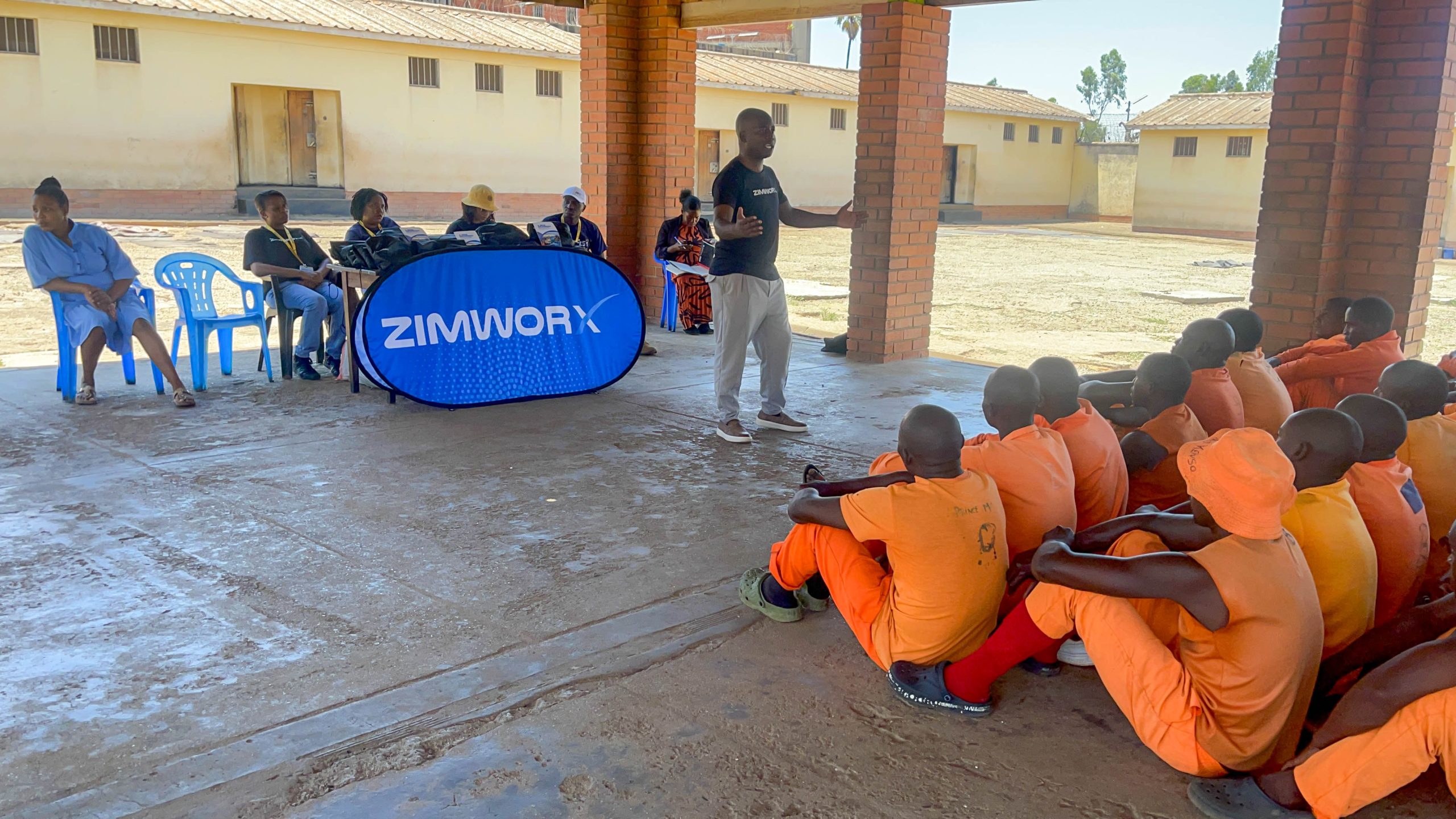
Their words offer a glimpse into the less visible side of rehabilitation. Beyond the practical skills and business plans lies the work of rebuilding character, restoring relationships, accepting responsibility and finding a renewed sense of purpose. These lessons may not fit into a starter pack, but they are just as essential to making a new beginning last. For ZimWorX, this is what Fresh Start is ultimately about, recognizing that incarceration should not be the end of a person’s story. A sentence may mark a difficult chapter, but it need not determine every chapter that follows.
Perhaps the most powerful thing about the Fresh Start gathering was not the distribution of starter packs or the list of business ideas shared. It was the willingness of these men to imagine a future beyond their present circumstances. To speak about farming, business, family, ministry and work. To acknowledge where they had gone wrong while daring to consider what they could still become.