
At Bunny Estates, the ambition is bigger than raising rabbits. We are building a practical, sustainable model that can strengthen food security, create livelihoods and equip communities with the skills and resources to start their own farming enterprises.
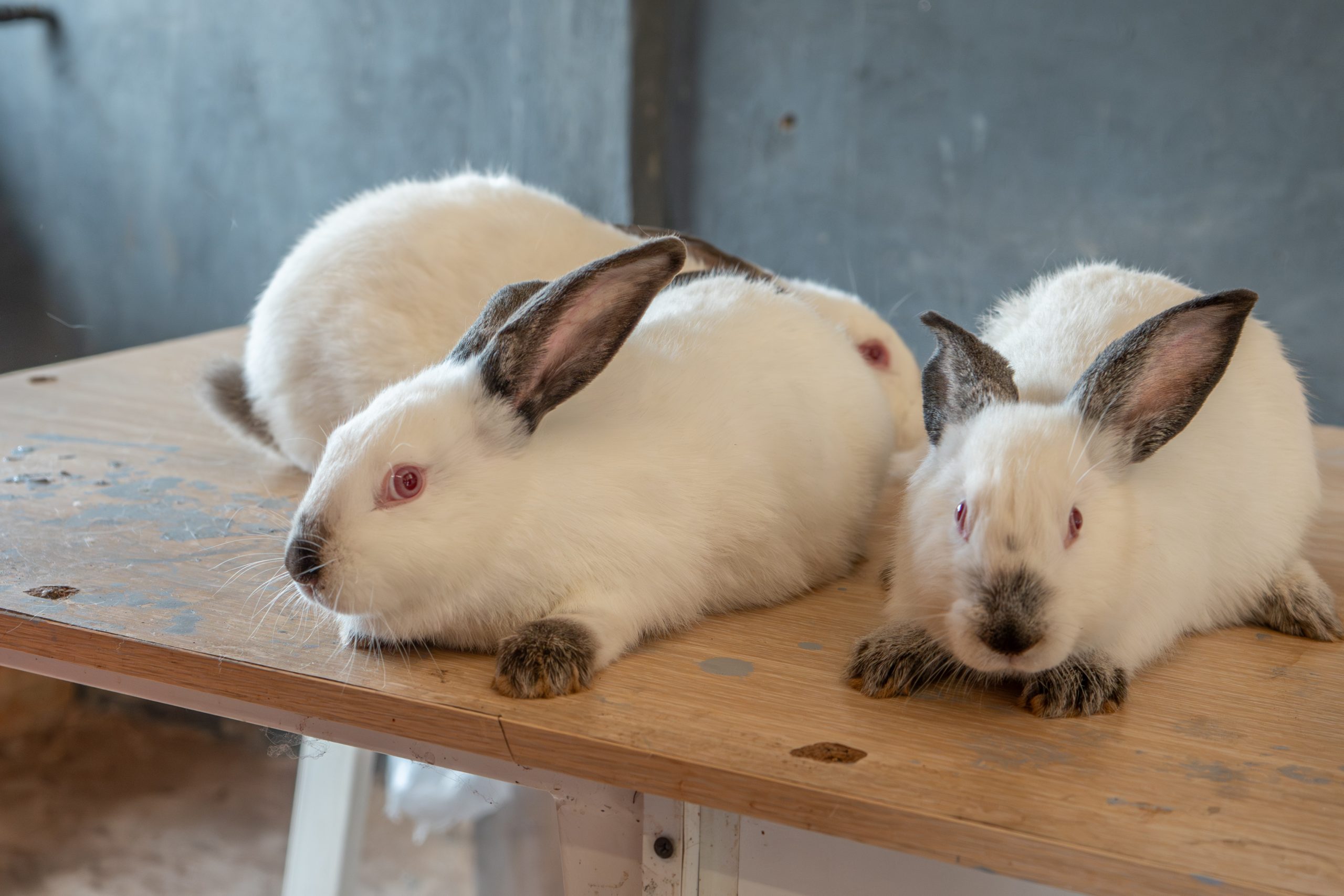
A key milestone has been reached, the herd has doubled to 147 does, putting Bunny Estates on track towards its next target of 1,000 kiddlings by early 2027. But growth is not only about numbers. It is about building the systems, knowledge and production capacity needed to take the model into more communities.
Turning practical training into opportunity
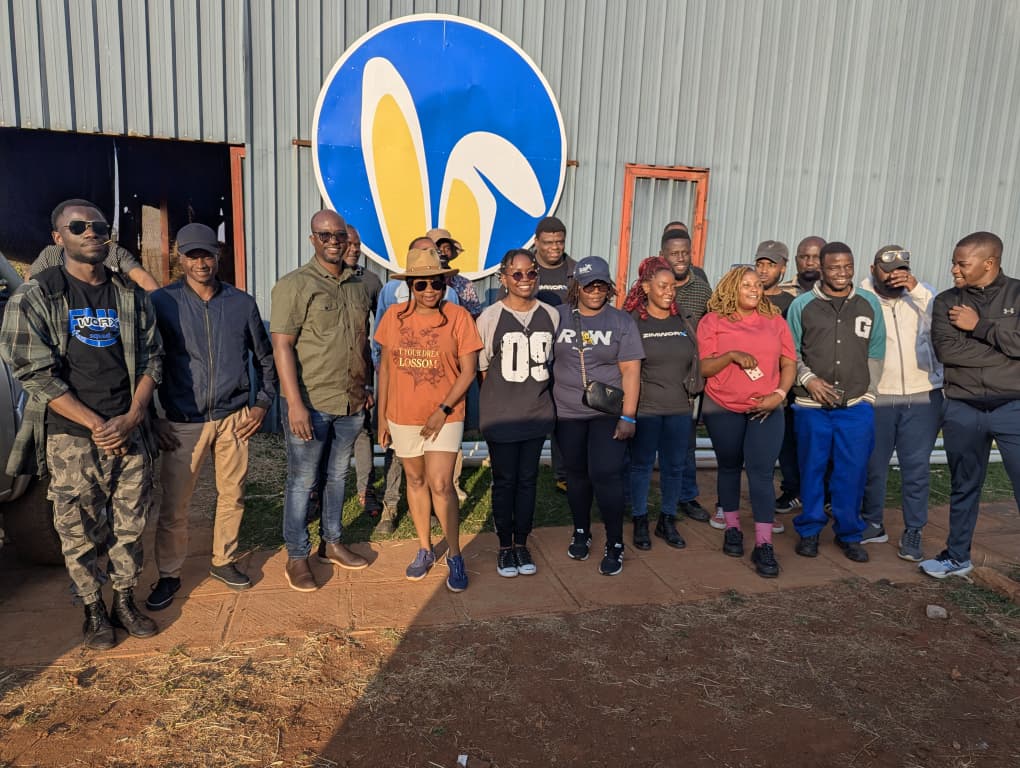
Rabbit farming offers an accessible entry point into agriculture. It requires relatively modest space and resources, while providing both animal protein and potential income. That opportunity is at the heart of Bunny Estates’ community model. Training is paired with practical experience and, where appropriate, starter rabbits, giving participants the opportunity to move from learning to establishing their own projects.
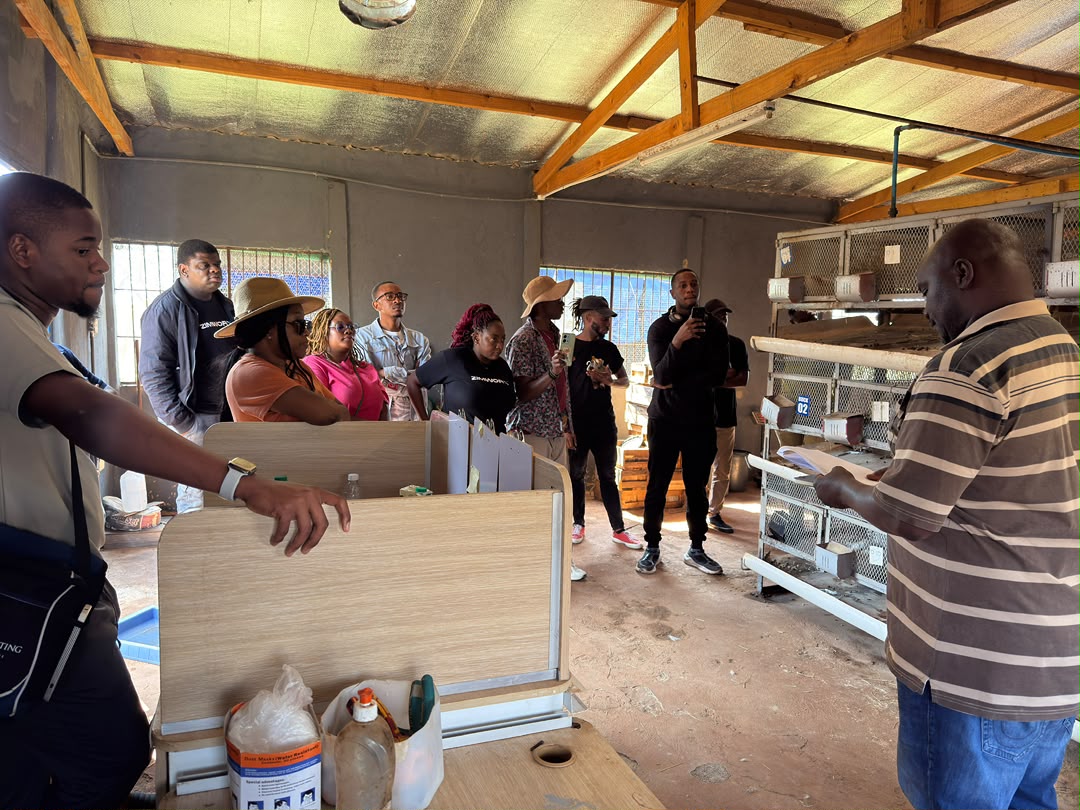
In July, 35 participants, including three guests from outside ZimWorX, took part in hands-on training at Bunny Estates. This followed an April programme for 106 first-year students from Gwebi Agricultural College, as well as dedicated training for 22 ZimWorX team members. Together, 163 people have now gained practical rabbit farming skills through the programme.
The training covers breed selection, housing, nutrition, breeding, disease management, record keeping, cost management and identifying sustainable income opportunities. Participants learn in a working farm environment, seeing first-hand how good breeding and management practices can improve productivity and reduce kit mortality.
A working example of sustainable farming
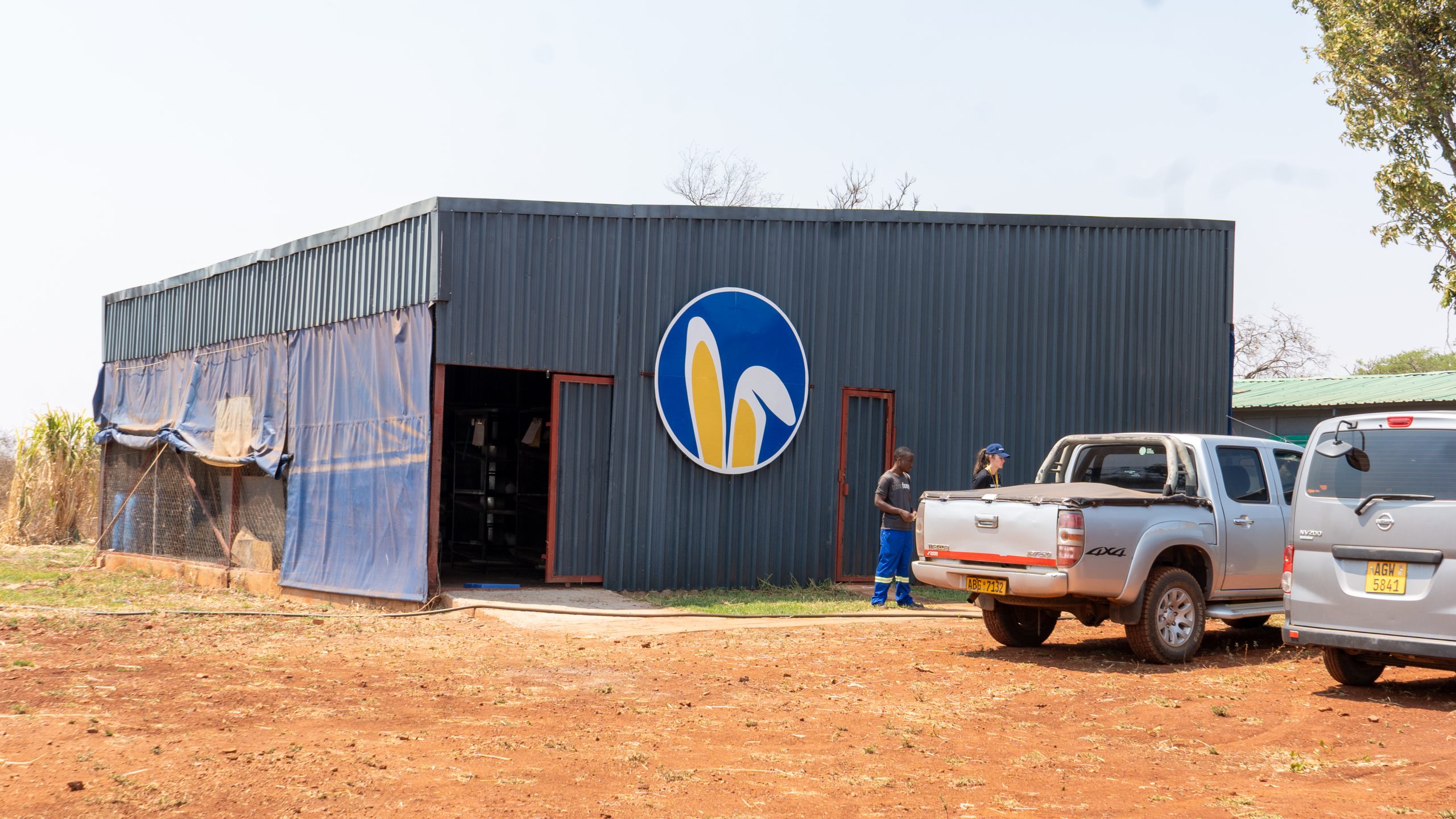
Bunny Estates also demonstrates how farming can be productive while making better use of available resources. The operation runs entirely on solar power, supporting the borehole, electric fencing, offices and lighting. Rabbit urine is also being developed into an environmentally friendly insect repellent and foliar fertiliser, turning a by-product into another potential source of value. Situated within the Gwebi Agricultural College ecosystem, Bunny Estates serves as both a production facility and a practical learning centre, connecting agricultural knowledge with real-world application.
Building beyond the farm
The longer-term ambition is to create a network of community producers who can build their own herds, generate income and contribute to a more resilient local protein system. The pathway is simple, train, equip, establish and expand. For ZimWorX and The51, Bunny Estates reflects a broader approach to impact, creating practical opportunities that give people the skills, productive assets and confidence to build sustainable livelihoods.
From 147 does to 1,000 kiddlings, the next chapter is about taking what works and helping more people grow with it.