
On 20 August 2026, I walked through the gates of Chikurubi Farm Prison as part of the ZimWorX team, carrying my own preconceived ideas about the people I would meet inside. What I did not expect was how deeply the visit would challenge them. From the outside, it is easy to see prisoners as one group. We see the orange suits, hear the word inmate and make assumptions before hearing the individual stories behind them. But as we listened, it became clear that every person in that courtyard had arrived there through different circumstances, carrying different histories, families, mistakes and hopes for what life might still hold beyond their sentences.
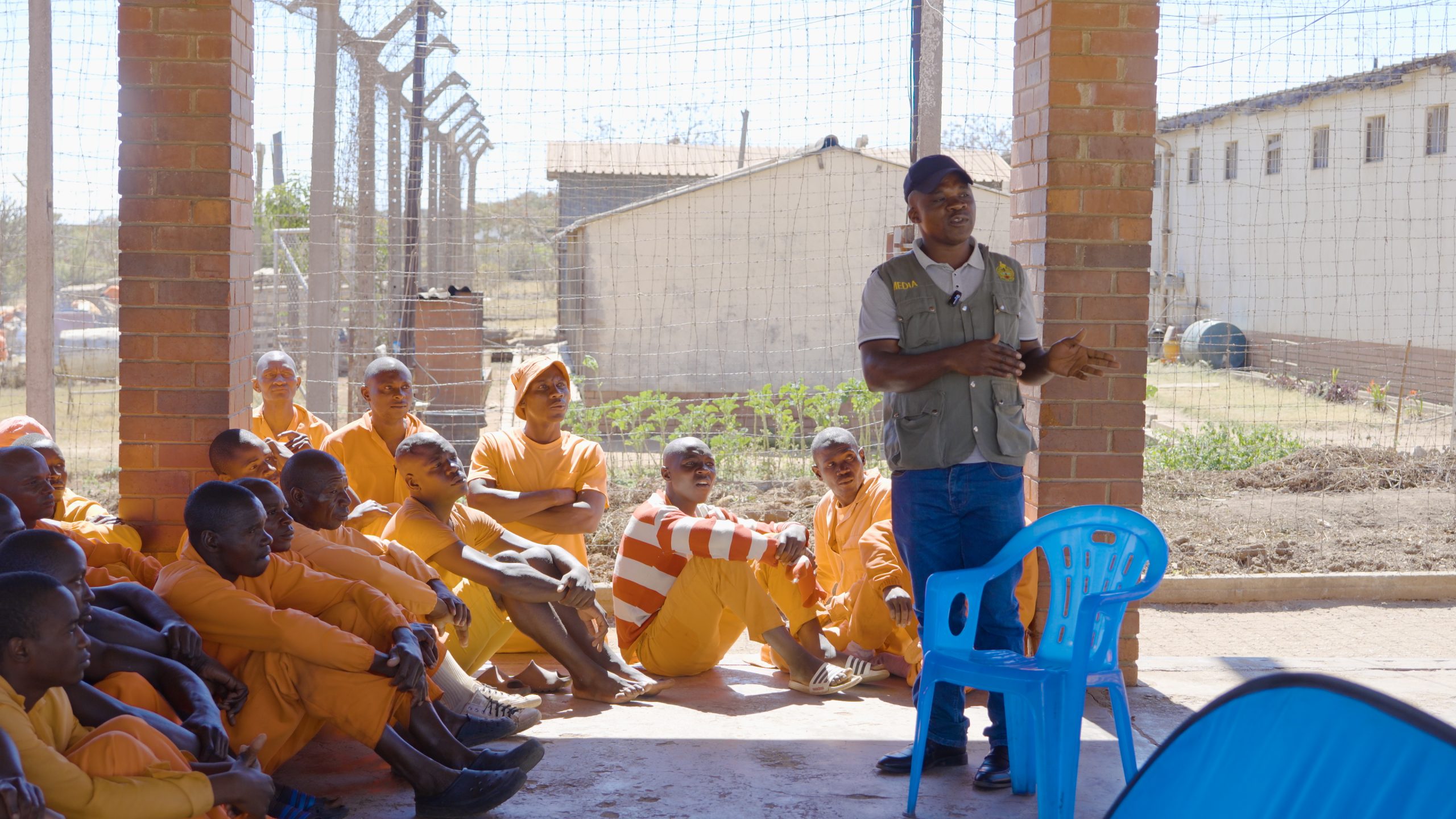
That is part of what Fresh Start is intended to address.
“Fresh Start is not about pretending the past did not happen. It is about asking what happens next. What does someone need when the gates finally open?”
The programme grew out of ZimWorX’s Visionary, JW Oliver’s desire to make a meaningful contribution to the lives of people leaving prison, particularly by helping reduce the chances of them returning to the circumstances that could lead them back into the system. A prison sentence eventually ends, but the challenges that follow release can be overwhelming. Someone may leave with very little, return to strained family relationships, struggle to find employment or have no support system waiting for them. Without help through that transition, a second chance can quickly become another struggle for survival.
Fresh Start is our attempt to stand in that gap. Through The51, starter kits are handed over to inmates when they leave prison. Our purpose on this day was to explain what had been prepared, talk through the support available and, most importantly, connect with the people the programme was created for.
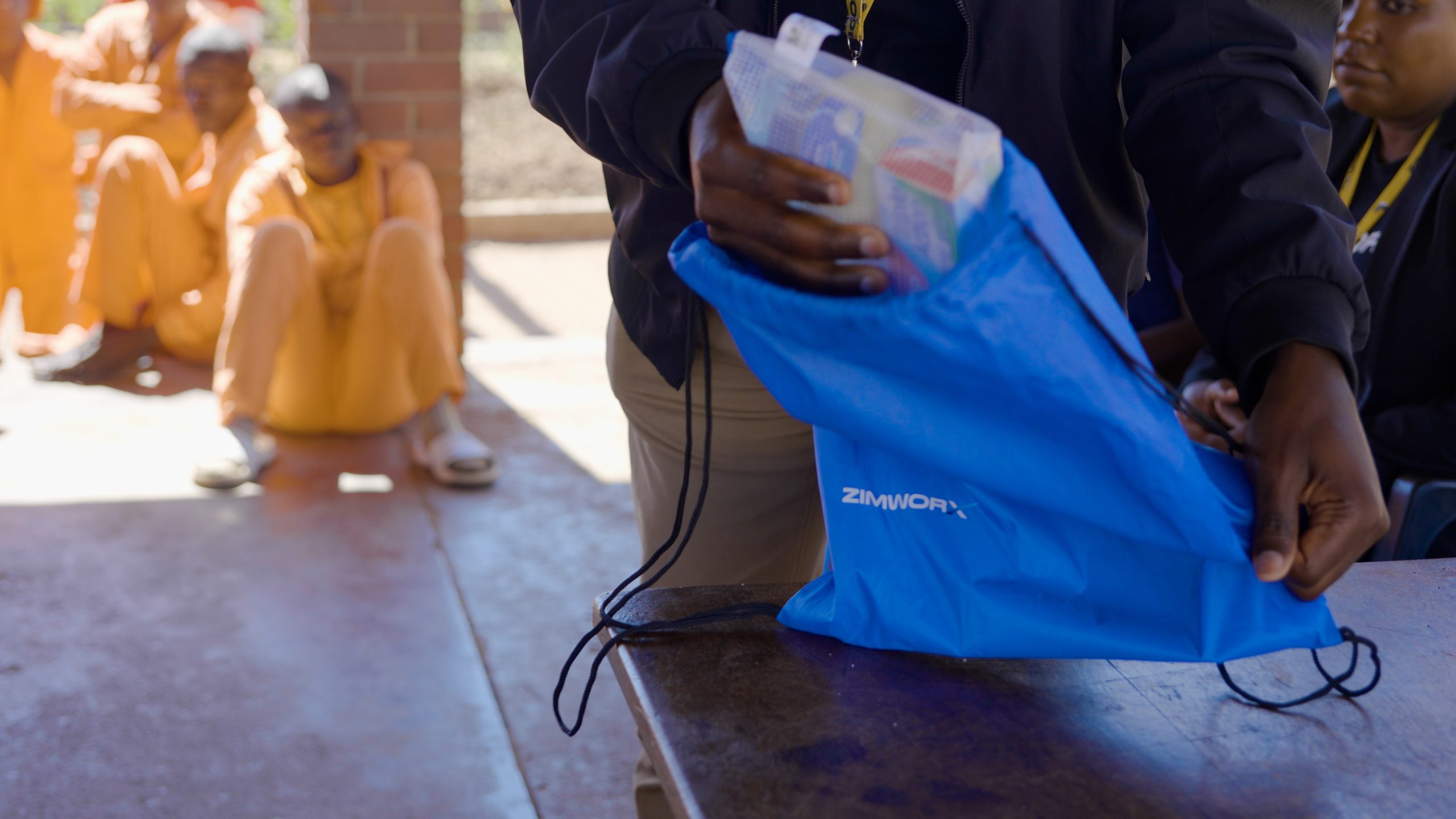
A rehabilitation officer led us into the courtyard, where ZimWorX Wellness Associate Pastor Nathaniel Kujenga opened the gathering with song and prayer. What followed felt less like a formal presentation and more like a conversation. The inmates were grateful as we explained the contents of the starter kits, but what struck me was what those simple items represented. To someone preparing to return to everyday life after years away, basic necessities can mean dignity, independence and the first step towards beginning again.
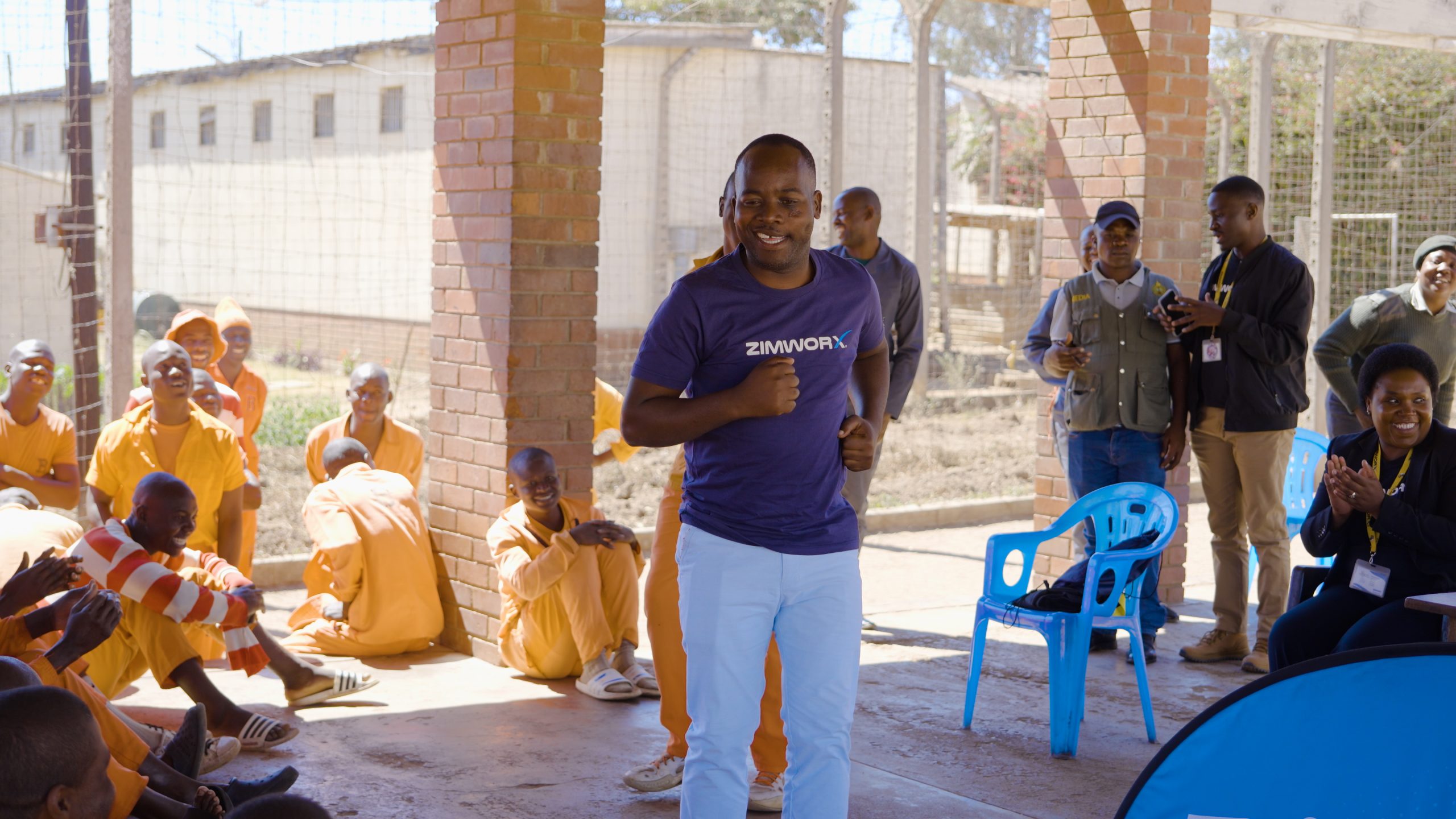
As the conversations deepened, another need emerged, one that no starter kit could meet. Some of the inmates told us they had gone through much, or even all, of their sentences without receiving visitors. It is difficult to imagine spending months or years without someone coming through those gates to sit with you, ask how you are doing or simply remind you that you have not been forgotten. Children grow older, parents age, relationships strain and, in some cases, people simply stop coming.
That was when I began to understand that one of the most meaningful things we can offer is our presence. We may not be able to repair every relationship or solve every challenge, but we can listen, encourage and remind someone that there are still people outside those walls who see possibility in who they can become.
One man’s story brought that home. He had already spent seven years and six months behind bars and expected to remain incarcerated until 2031. Through the amnesty programme, he is now due to leave in October. For him, October is no longer simply another month on the calendar. It means freedom, reunion and the daunting prospect of starting again after more than seven years away from ordinary life. He will return to a world that has changed without him and begin rebuilding parts of his life that cannot simply be picked up where they were left.
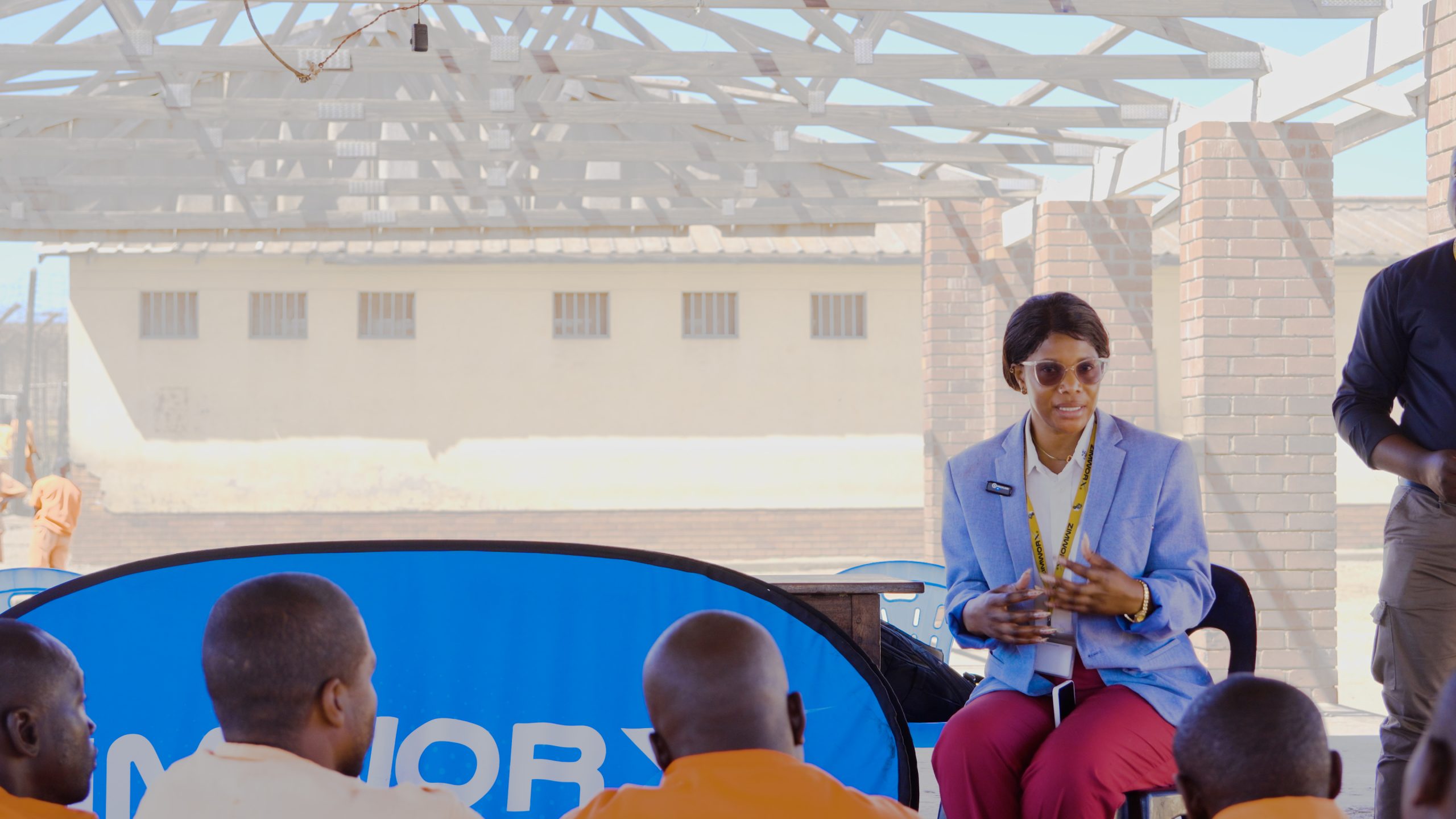
Hearing that made Fresh Start feel deeply personal. It was no longer just a programme or a starter kit. It was about one man preparing to rebuild his life and the question of what will be waiting for him when he walks through those gates.
As Pastor Kujenga continued speaking with the group, more stories surfaced, missed birthdays, children growing up without a parent present, relationships tested by years apart and loved ones carrying on with their lives outside. Those realities were impossible to see from a distance. Accountability still matters, and the consequences of the inmates’ actions are real. But the visit reminded me that accountability and humanity do not have to be opposites.
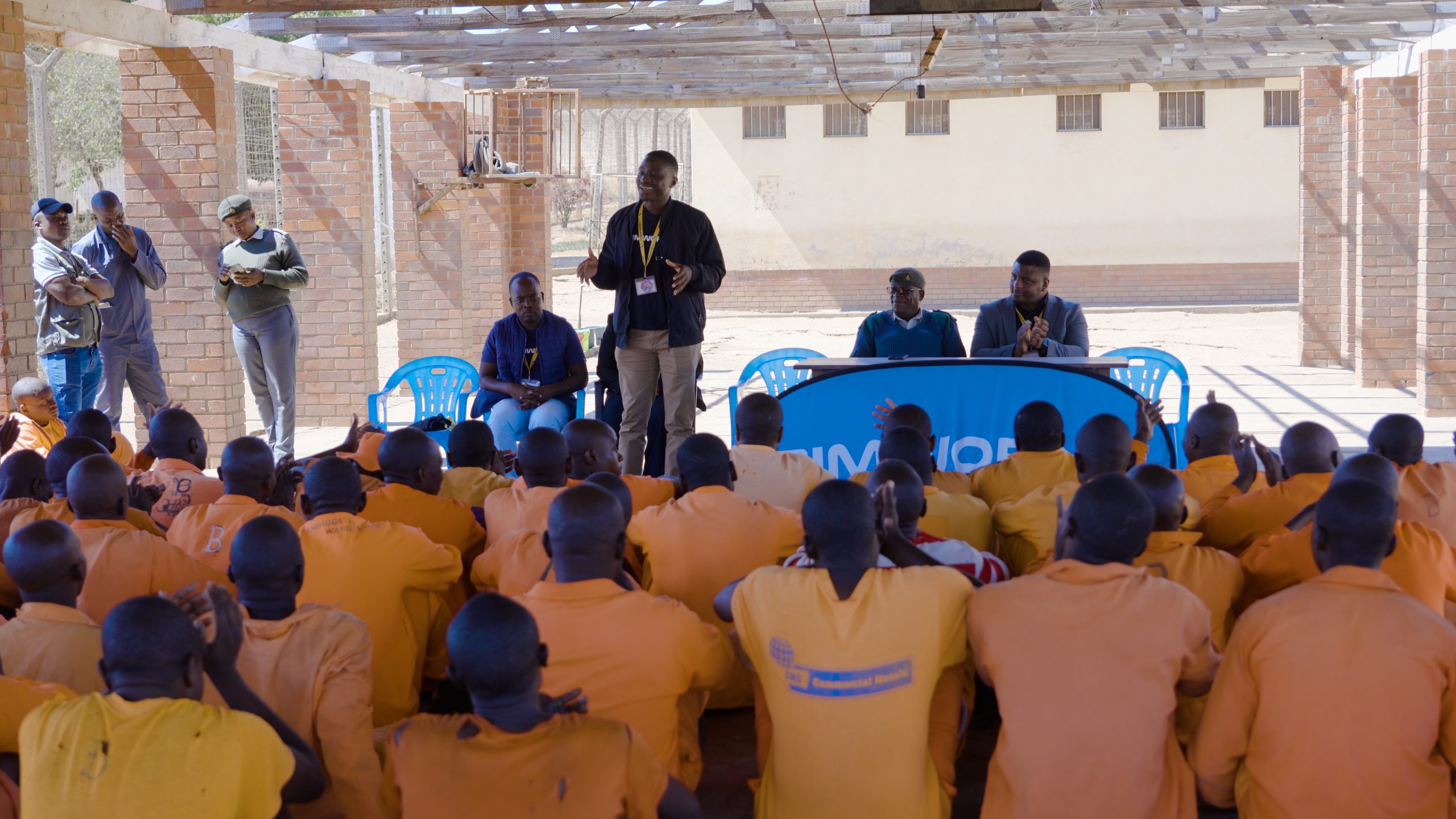
When the inmates joined in the singing, the courtyard filled with music and laughter. For a moment, the prison itself seemed to recede into the background. What stood out were the people within it: fathers, sons, brothers and friends whose lives extended far beyond the sentences attached to their names.
That is what I carried away from Chikurubi.
Fresh Start is not about pretending the past did not happen. It is about asking what happens next. What does someone need when the gates finally open? Who helps them take those first uncertain steps? Who reminds them that they still have something to contribute? And how do we help ensure that freedom becomes the beginning of a different life rather than a path back into the same system?
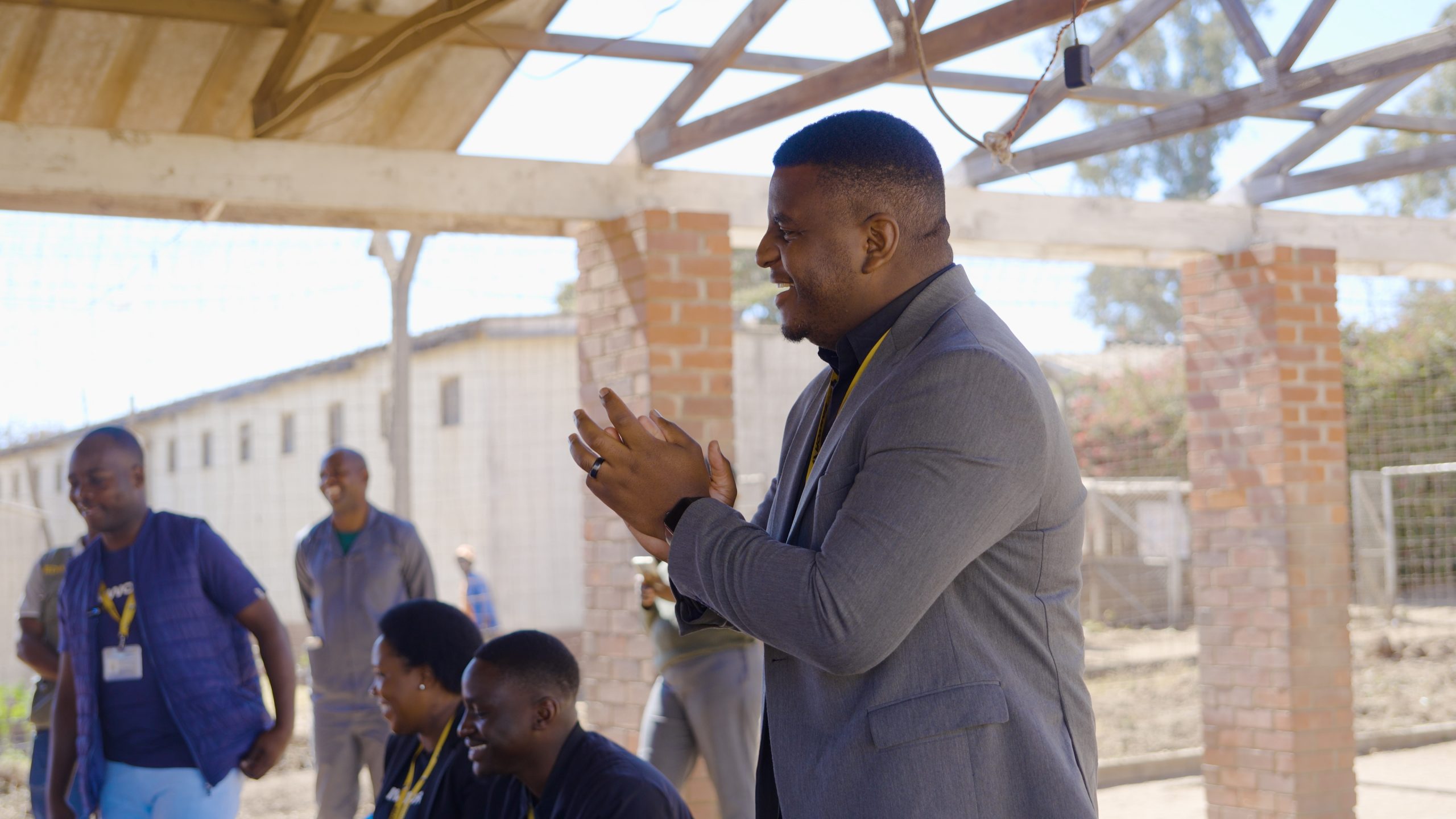
At the close of the gathering, ZimWorX Site Manager Caleb Juru thanked the prison leadership and everyone who had made the initiative possible. As I listened, I realised that part of the answer may be remarkably simple: we keep showing up. We can provide starter kits, but we can also provide presence. We can offer practical support, but we can also offer conversation and encouragement. For those who may have spent years without a visitor, sometimes being remembered is where a fresh start begins.